
Texas Public Entities & Higher Education
A public entity answers for its insurance program twice: To its board and to the public.
Cities, school districts, community colleges, universities and special districts buy insurance under rules a private company never sees: Formal procurement, fiscal-year budgets, board approval, and public accountability for every dollar. 4J Insurance Brokerage, an independent commercial insurance brokerage in Frisco, Texas, builds public-entity programs around that calendar and that scrutiny, with executive accountability from 4J and broader market resources through our affiliation with Premier Group Insurance.
- Procurement-ready responses that answer every stated requirement, in the order it is asked
- Property schedules reviewed location by location before an underwriter sees them
- Renewal timelines built backward from the board meeting that approves the program

What does a public entity insurance program include?
Most public-entity programs combine property on a large and varied schedule of buildings, general and public officials liability, law enforcement liability where it applies, educators legal liability for school and college districts, auto liability and physical damage, workers' compensation, crime, and cyber. Some lines may sit in an intergovernmental risk pool and others in the commercial or specialty market. The right structure depends on the entity's operations, its property values, its contracts, and what its board expects the program to protect.
What is different about higher education?
Colleges and universities add exposures most public bodies do not carry: Student housing, athletics, international travel and study abroad, research and laboratory operations, large events, and a significant volume of student and employee data. Each one changes how underwriters view the account and which markets are interested in it.
What do underwriters look for in a public entity submission?
A complete and current statement of values, five or more years of loss history with large losses explained, a clear description of operations and services, contract and indemnity requirements, and evidence of risk management such as inspections, training and claims handling. A submission that answers those questions up front is priced on facts rather than assumptions.
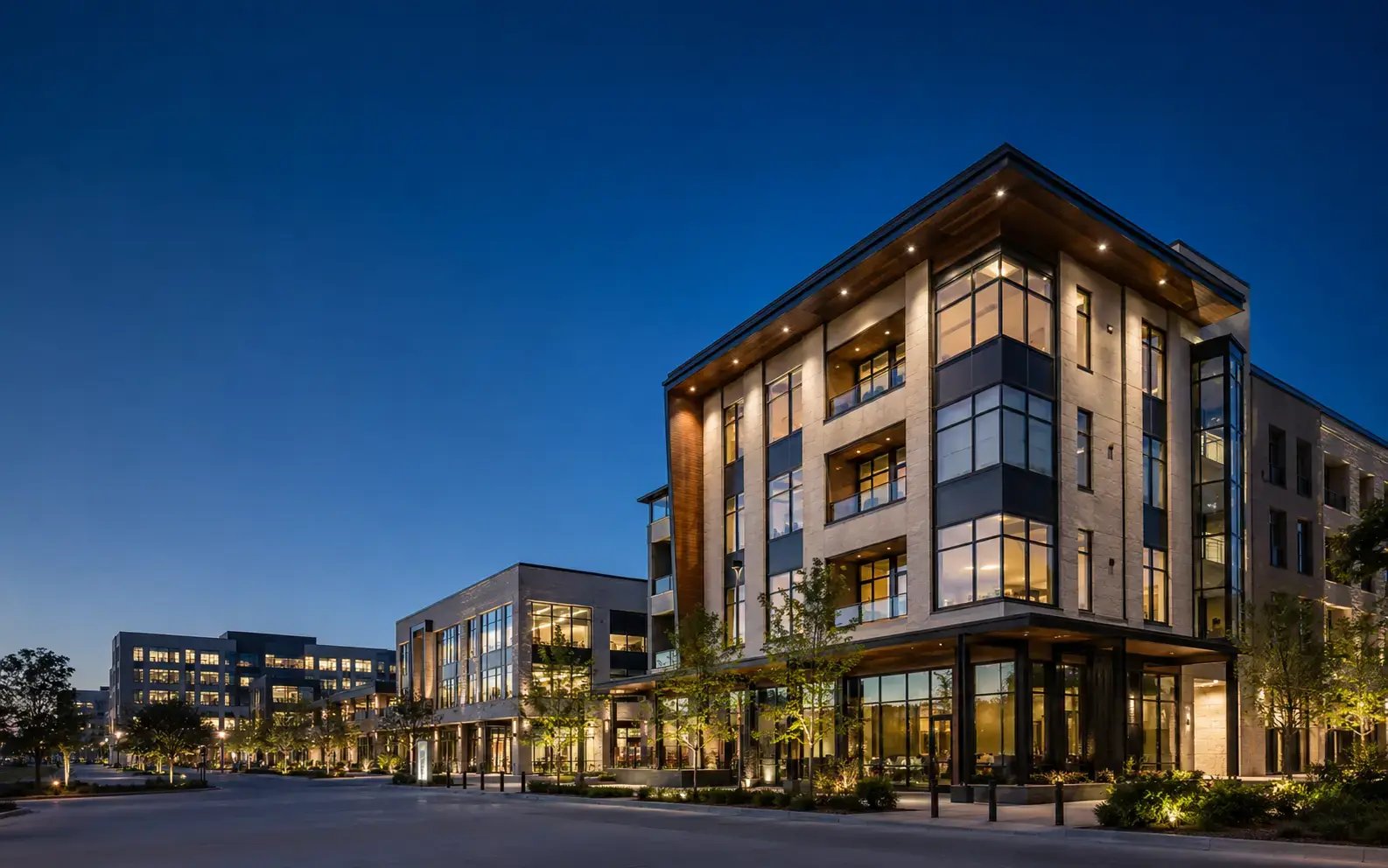
Built for cities, districts, colleges and universities
A public-entity program has to satisfy three audiences at once: The underwriter who prices it, the board that approves it, and the public that pays for it. Each needs something different from the broker, and the work is planned so that all three are served from the same set of facts.
- Review: We read the current program, the statement of values, the loss history, and the contracts and interlocal agreements that set insurance requirements.
- Prepare: We correct and complete the property schedule, document risk management, and build an underwriting narrative before any market is approached.
- Place: We approach markets with appetite for the account, drawing on Premier Group Insurance resources when the placement requires them, and compare options on coverage terms as well as price.
- Report: We give the board and administration a plain-language summary of program structure, cost, changes from the prior year, and open issues.
Public Entity Risk Architecture
Underwriting appetite for public entities turns on the services the entity provides, the age and protection of its buildings, and its claims history. Two districts of similar size can look completely different to an underwriter. 4J Insurance Brokerage is an independent commercial insurance brokerage based in Frisco, Texas, affiliated with Premier Group Insurance.
The exposures that define a public entity program
- Property: Large, varied building schedules where valuation accuracy drives both price and claim outcomes
- Public officials and employment practices: Decisions of boards, officials and administrators
- Educators legal liability: Claims arising from educational decisions in school and college districts
- Law enforcement liability: Where the entity operates its own police or campus police
- Auto: Fleets, buses and equipment
- Workers' compensation: Often the largest line by claim volume
- Cyber: Student, resident and employee data, and funds-transfer fraud
- Crime and bonds: Employee dishonesty and required official bonds
Questions to settle before the next renewal cycle.
How do Texas public entities usually buy insurance and broker services?
What is a risk pool, and how is it different from commercial insurance?
Does governmental immunity mean a public entity needs less liability coverage?
Why does the property schedule matter so much?
How early should a public entity start its renewal?
What does 4J's affiliation with Premier Group Insurance mean for a public entity?
Before the next renewal reaches your board
Is your program built around your calendar and your schedule, or around last year's paperwork?